Accessibility has become the new minimum. On June 28, 2025, the European Union’s Accessibility Act (EAA) went into effect across the EU, requiring self-service technologies — from library kiosks to ATMs and ticket machines — to meet strict design standards that remove barriers for people with disabilities.
In the United States, the picture is less settled. The Access Board opened a rulemaking on self-service machines in 2022 and sent a draft for review in 2024, but the proposal was withdrawn in early 2025 and shifted to long-term status.
For now, federal guidance comes through a patchwork: ADA rules that cover ATMs and fare machines, Section 508 procurement standards for federal agencies, and mandates from departments such as Transportation, overseeing airport kiosks, and Health and Human Services, regulating patient check-in devices.
States are stepping forward. Colorado has emerged as a model with HB21-1110 and later amendments, making digital accessibility mandatory for state and local government systems, including library kiosks. The law took full effect on July 1, 2025, mandating WCAG 2.1 AA compliance for software and Section 508 specifications for hardware in closed-function devices. Compliance is now a statutory duty for Colorado libraries.
In fact, the sector was among the first to embrace self-service. From magnetic strips in the 1970s to the first kiosks in the 1990s, including early 3M and Bibliotheca machines, the goal was clear: give patrons more independence and let staff focus on people instead of process. At the time, that was enough.
But expectations have shifted. What once felt like the future now seems dated. Accessibility standards demand tactile controls, private audio, and screens that can be navigated without sight. Patrons, accustomed to apps and digital payments, look for the same ease in their libraries. That convergence — legal mandates and rising expectations — is what is now driving the next generation of kiosks.
Two Upgrade Paths
Bibliotheca, a global leader in library self-service, has introduced two solutions built to meet current needs and prepare for future demands.
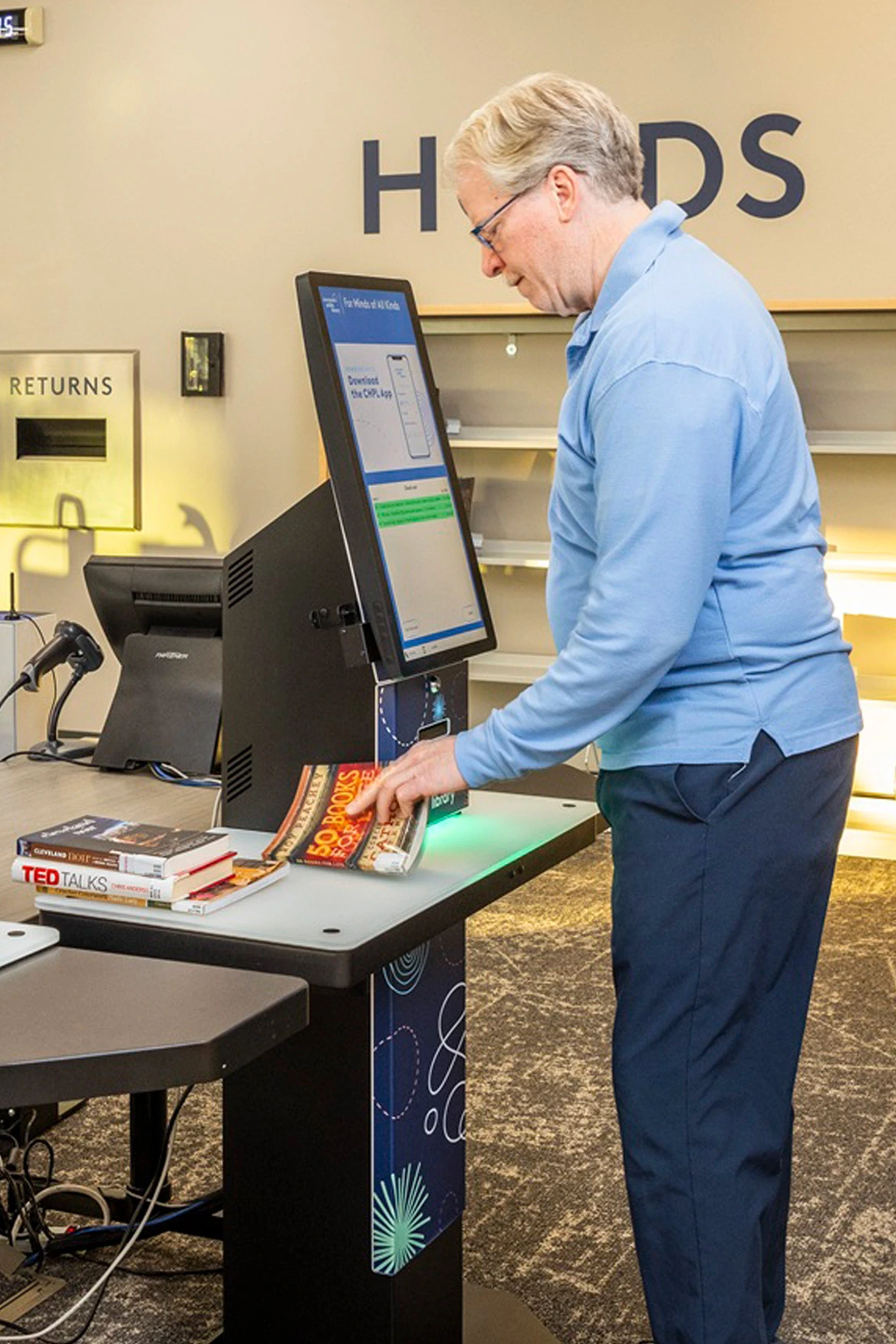
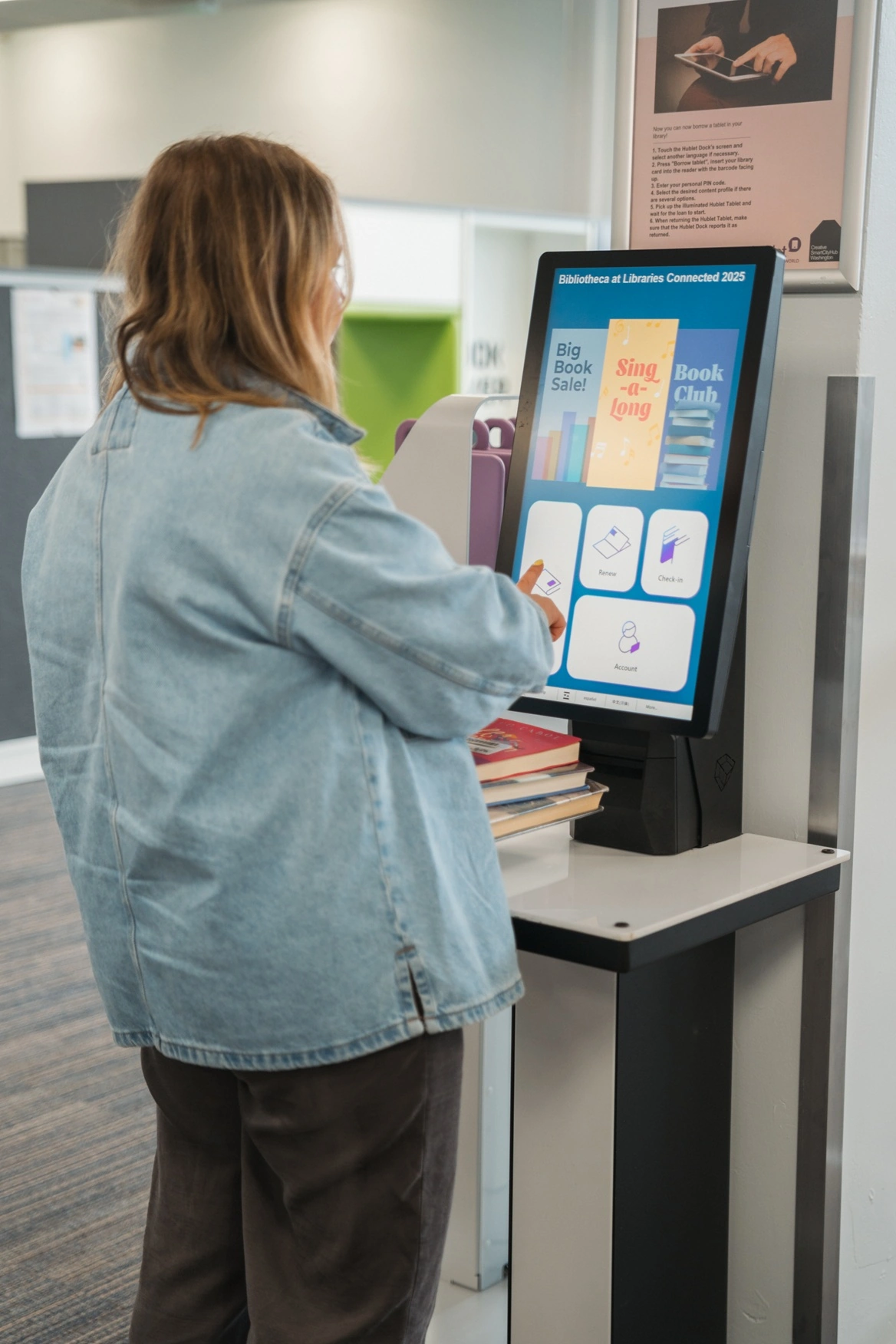
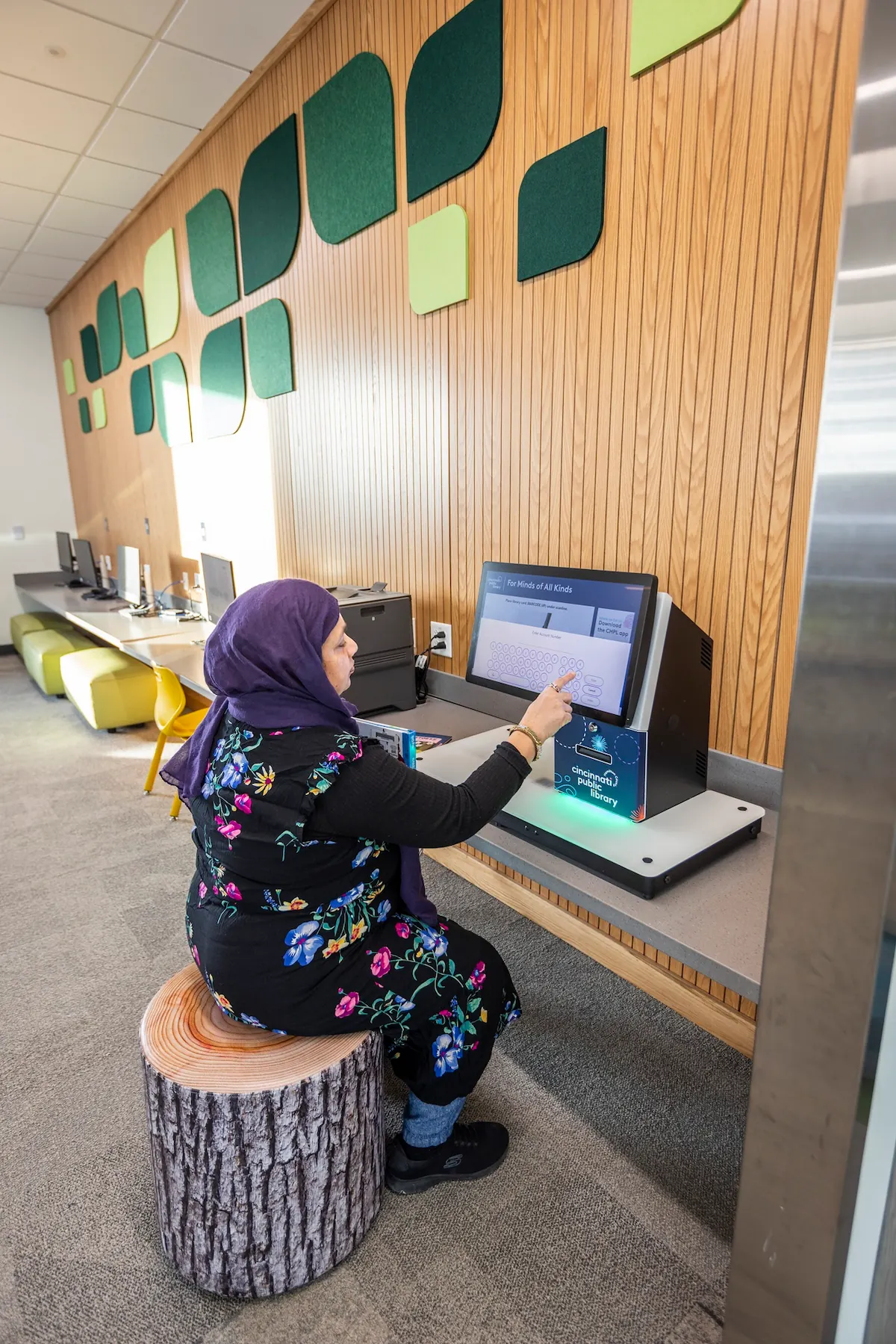
- selfCheck™ 2500. A compact, small-footprint unit engineered for libraries where space is at a premium. It supports both RFID and barcode workflows, offering an anti-glare display for clear visibility. Ideal for replacing aging kiosks or adding new service points without rethinking the floor plan.
- selfCheck™ 3000. A modular, customizable platform built for high-volume environments and ready for future upgrades. Available in tabletop or kiosk form, with two orientations, it integrates accessibility from the start: text-to-speech, tactile keypads, adjustable heights, and multilingual navigation. Ideal for libraries seeking a scalable, future-ready solution.
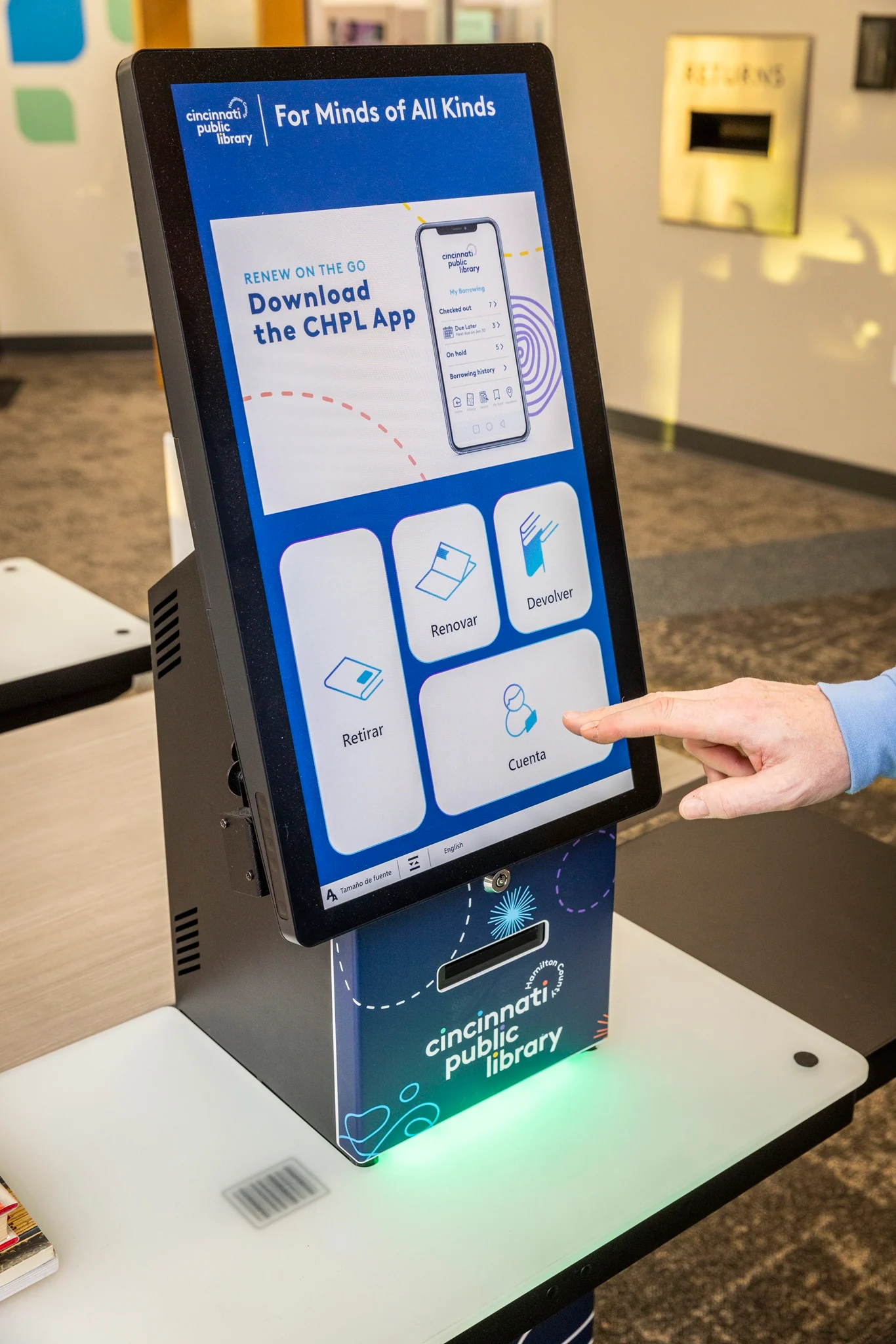
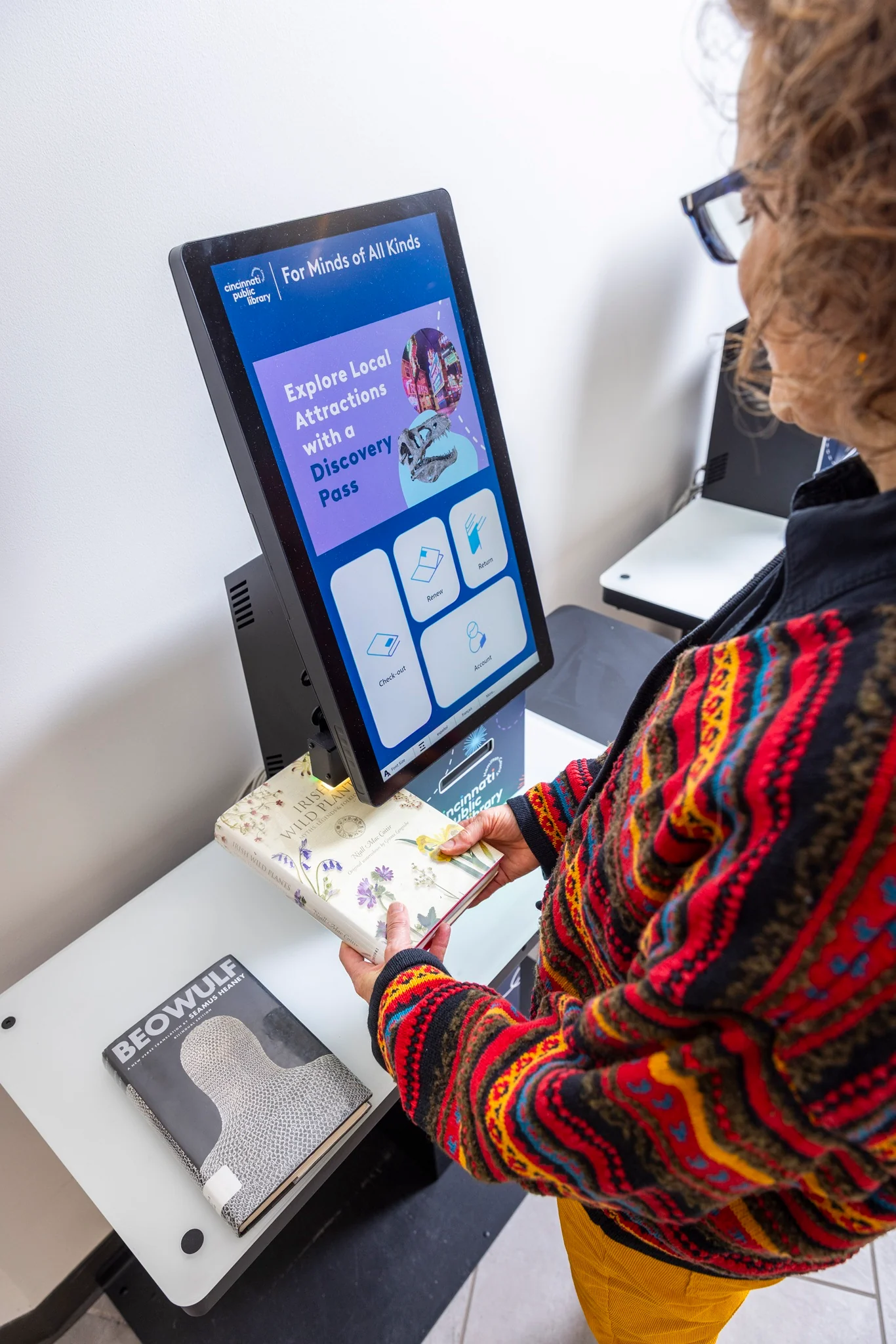
Both models run on quickConnect™, shifting checkout from a simple transaction to an active point of engagement. Screens can spotlight library events, highlight staff recommendations, or promote digital collections.
Accessibility-First
Accessibility has become a defining issue, and libraries are expected to set the standard. The selfCheck 2500 and 3000 reflect that shift, with features such as:
- Screen reader compatibility
- High-contrast interfaces and text size options
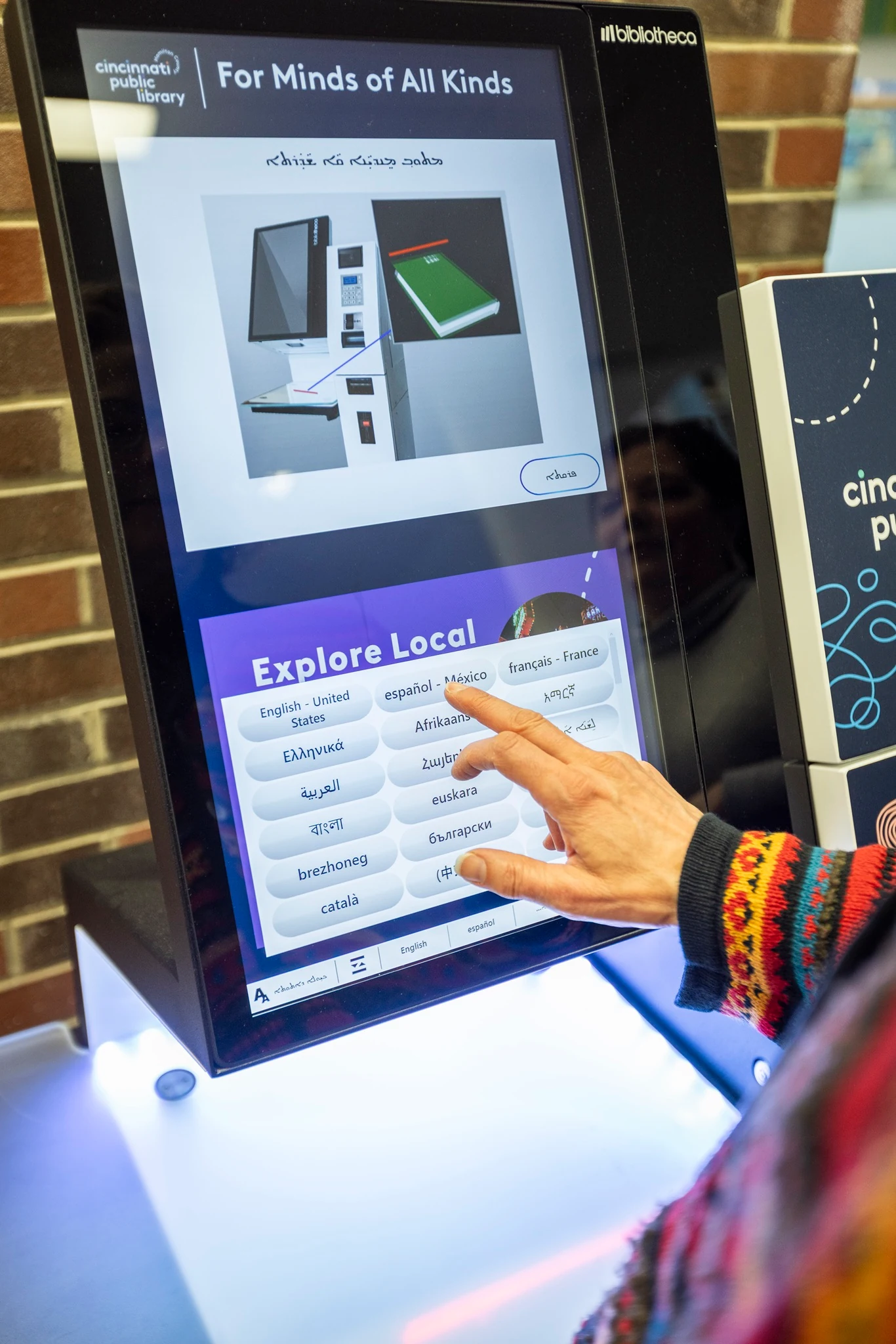
- Multilingual navigation in more than 70 languages
- Full keyboard with finder key markings or AudioNav™
- Adjustable kiosk height to accommodate children and wheelchair users
In Europe, the path is clear. The Accessibility Act is law, and member states must enforce it with penalties for noncompliance. In the United States, the rules remain unsettled. Federal efforts have stalled, and states such as Colorado have stepped in, setting precedents that others are likely to follow.
For libraries, it is about more than compliance. It is about making sure everyone who enters can use their services.
More Than Checkout
Through quickConnect integrations, selfCheck kiosks extend far beyond borrowing:
- Promote programs and events: Sync with calendars via LibCal (Springshare), LocalHop, or Communico, allowing patrons to browse, print, email, or even register for events right at the kiosk.
- Simplify printing and PC access: Integrate with PaperCut, Pharos, or MonitorBM to manage print jobs, handle secure payments, and streamline PC reservations directly at checkout.
- Expand digital discovery: Leverage quickConnect’s promotional space to highlight your digital collection, allowing patrons to browse, borrow, and place holds on eBooks with just a few taps.
- Deliver personalized recommendations: Surface real-time reading suggestions through NoveList, with options to place holds instantly, print take-home lists, or email curated picks.
- Enable secure, seamless payments: Accept fines, fees, and donations via Stripe, Apple Pay, Google Pay, PayPal, cards, or even cash (in supported kiosks).
- Reinforce the library’s brand: Customize kiosk themes, logos, and messaging, transforming each interaction into a reflection of the library’s identity.
- Strengthen communication: Send instant SMS receipts and notifications, reducing paper waste while improving patron convenience.
In practice, kiosks become communications hubs, amplifying programs and services without adding staff hours. Learn more about quickConnect here.
The Practical Upside
Upgrading doesn’t mean starting over. It means removing friction from service, freeing staff for high-value interactions, and creating an inclusive digital front end for the library.
The selfCheck 2500 offers a modern refresh with minimal footprint. The selfCheck 3000 provides a flexible chassis built for future evolution and heavier volumes.
Both put accessibility at the center.
Comparison at a Glance
Features | selfCheck™ 2500 | selfCheck™ 3000 |
|---|---|---|
Design | Compact, small-footprint unit for tight spaces | Modular platform, tabletop or kiosk form |
Accessibility | Anti-glare display, high-contrast options;
Screen reader compatible; Optional AudioNav™; Multilingual (70+ languages). | Accessibility built in: screen reader, text-to-speech, high-contrast;
Tactile keypad & full keyboard; Adjustable height for all users; Multilingual (70+ languages). |
User Interface | Intuitive, customizable quickConnect™ software | Intuitive, customizable quickConnect™ software |
Workflows Supported | RFID and barcode | RFID and barcode |
Expandability | Replacing aging kiosks or adding service points | High-volume use with upgrades and flexibility |
Customization | Clean design blending into existing spaces | Multiple orientations (portrait/landscape), and branding options |
Best Fit For | Libraries needing full functionality in minimal space | Libraries planning for growth, high traffic, and long-term adaptability |
Your library has evolved. Your selfCheck can too.

You may also Like
Insights & Trends
From Security to Smart Spaces: Why Academic Libraries Are Evolving to RFID
Webinar: Designing Efficiency – How Forsyth County Library Optimized Sorting & Service with flexAMH